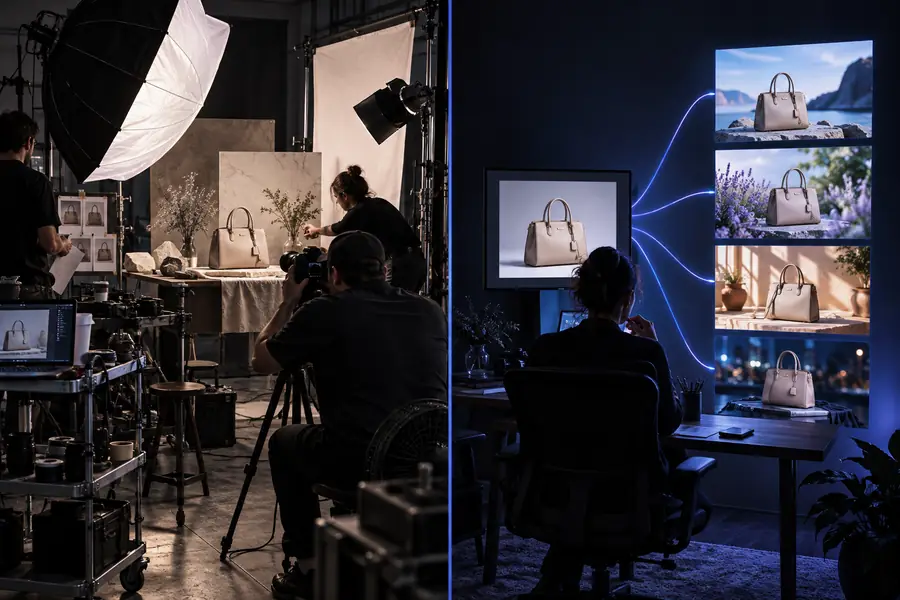
Free tool comparison

Is an ai image to image alternative free of extra steps?

An ai image to image alternative free to try can be useful when you want a new look without rebuilding a picture by hand. Compare the whole task—not just whether the first transformation costs anything—before you switch.

These options solve different parts of the same job. Treat the verdicts as starting points, then test them against the source image and the result you actually need.

Ai Image To Image

1

Choose it for quick visual directions based on a picture you already have.

  • An existing image supplies composition and subject matter, so you do not need to describe everything from scratch.
  • Prompt changes make it practical to explore a different setting, mood, or style.
  • A browser workflow avoids learning a full manual editing interface for a rough concept.
  • Small features, text, logos, and identity details may change unexpectedly.
  • The first variation may need another prompt or a separate cleanup pass.
Another free image transformation tool

2

Choose it when its controls fit your source and desired output better.

  • A different model may interpret the same source image or instruction differently.
  • Some tools may offer controls that matter more to your particular edit.
  • Free access does not establish export quality, availability, or usage limits.
  • Moving between tools means checking each tool's image-handling terms and repeating your test.

Manual image editor

3

Choose it when precision matters more than rapidly exploring variations.

  • You can preserve exact product features, lettering, and placement.
  • Local edits make it easier to change one area while leaving the rest alone.
  • Building a substantially different scene by hand can take more work.
  • A convincing result may require editing skills or suitable source assets.

where quality differs

To judge an ai image to image alternative free of unnecessary work, run the same source and goal through each option. Compare usable exports, not only attractive previews.

Ai Image To Image
Manual editor

Cost to begin

Ai Image To Image

Start with a source image and a written transformation request; check the tool's current access conditions before relying on repeated use.

Manual editor

Depends on the editor you choose; even a free editor requires your time to perform the changes.

Cost of revisions

Ai Image To Image

Try another instruction or variation, then inspect what else changed.

Manual editor

Adjust selected areas yourself; substantial redesigns may require many separate edits.

Source resemblance

Ai Image To Image

The source guides the result, but facial traits, object shapes, and composition can drift.

Manual editor

Unedited regions can remain exactly as they were in the original.

Text and logos

Ai Image To Image

Generated lettering and brand marks need careful review and may need replacement.

Manual editor

Existing lettering can be kept or replaced deliberately.

Style exploration

Ai Image To Image

A prompt can request a substantially different mood or visual treatment.

Manual editor

You build the treatment with adjustments, assets, and editing decisions.

Local precision

Ai Image To Image

A broad request may alter details outside the intended area.

Manual editor

Selections and layers can confine changes to chosen areas.

Final quality check

Ai Image To Image

Inspect edges, hands, reflections, recognizable details, and export resolution.

Manual editor

Inspect masking, color consistency, compositing edges, and export resolution.

Time cost

Ai Image To Image

A quick first variation may be followed by several attempts and manual fixes.

Manual editor

The first edit may take longer, but precise corrections need not regenerate the whole scene.

where time differs

The fastest first image is not necessarily the fastest finished image. Count the attempts, review, and cleanup needed to meet your actual brief.

Choose this when

You need a few distinct looks for an informal concept.

Start with Ai Image To Image.

A source image plus a clear prompt can give you directions to compare before you invest time in detailed edits. Check each variation against the brief rather than assuming the newest one is better.

Choose this when

You must preserve exact packaging, signage, or a person's recognizable features.

Start with a manual editor.

The time spent controlling selections is often easier to predict than repeatedly generating a scene and repairing details that should never have changed.

Choose this when

You like a generated result except for one visible flaw.

Use a combined workflow.

Keep the strongest variation and correct the isolated flaw manually. Regenerating the entire picture can introduce new problems into areas that already worked.

when switching is worth it

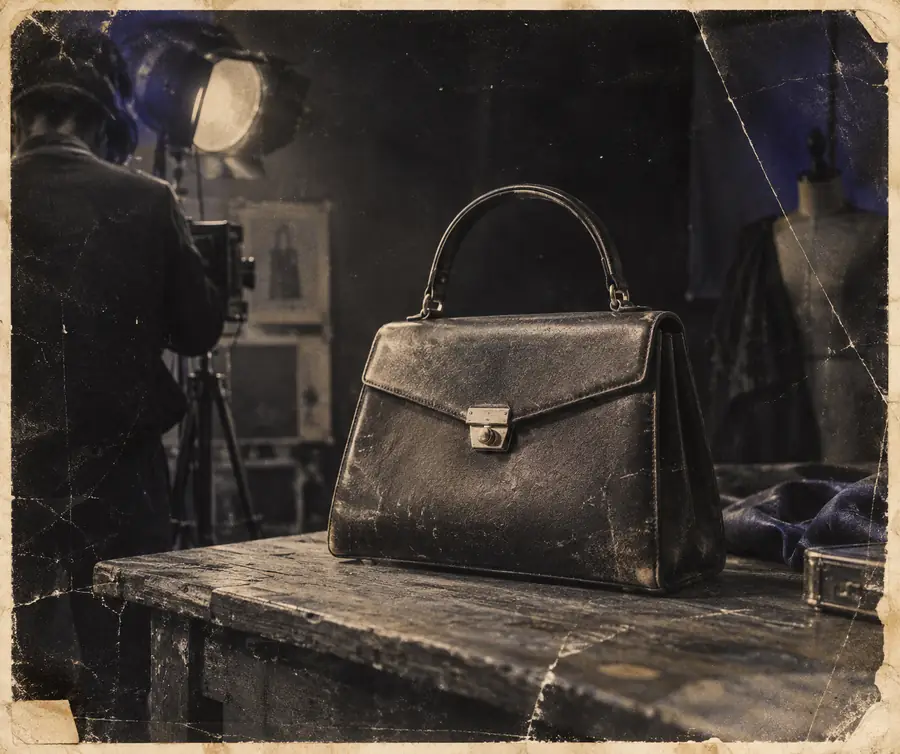
Switch when the alternative removes the step slowing you down. This paired example illustrates a restoration-style goal, not a measured quality test or a promise that every input will behave the same way.

Older photograph before a restoration-style visual treatment The paired photograph after a restoration-style visual treatment Before After

Drag the divider to inspect the paired images. For your own comparison, use the same source and goal in each tool, then examine facial features, background details, edges, and the exported file. If a result looks appealing but changes something essential, that is a reason to change workflows—not simply to generate more variations.

BeforeAfter

Test your source image against your goal

Try one clear transformation, then decide whether the output saves you editing time. Keep the original, inspect the result at full size, and use a manual editor for details that must remain exact.

Try image transformation
  • Begin with an image you have permission to use.
  • Describe what should change and what should stay.
  • Judge the exported result, not just its preview.

comparison FAQ

Use the same source image and describe the same desired change in each tool. Compare fidelity to the source, unwanted changes, export quality, time spent revising, and any current conditions on free use.

It depends on the job. Generative tools are useful for exploring new visual directions, while manual editing gives you more direct control over exact details such as logos, text, and object placement.

No. Access conditions, output options, and usage limits can differ between tools and change over time. Check the tool you plan to use rather than treating “free” as a guarantee of unlimited transformations.

Switch when your current workflow repeatedly fails on a requirement that another approach handles better. Test one representative image first; if the new approach still requires extensive cleanup, staying with a familiar editor may be faster.

Yes. You can explore a look with image transformation, then use an editor to repair isolated flaws or restore precise text and details. Review the complete image before sharing it, since an attractive overall result can hide small changes.

Start creating
Start creating