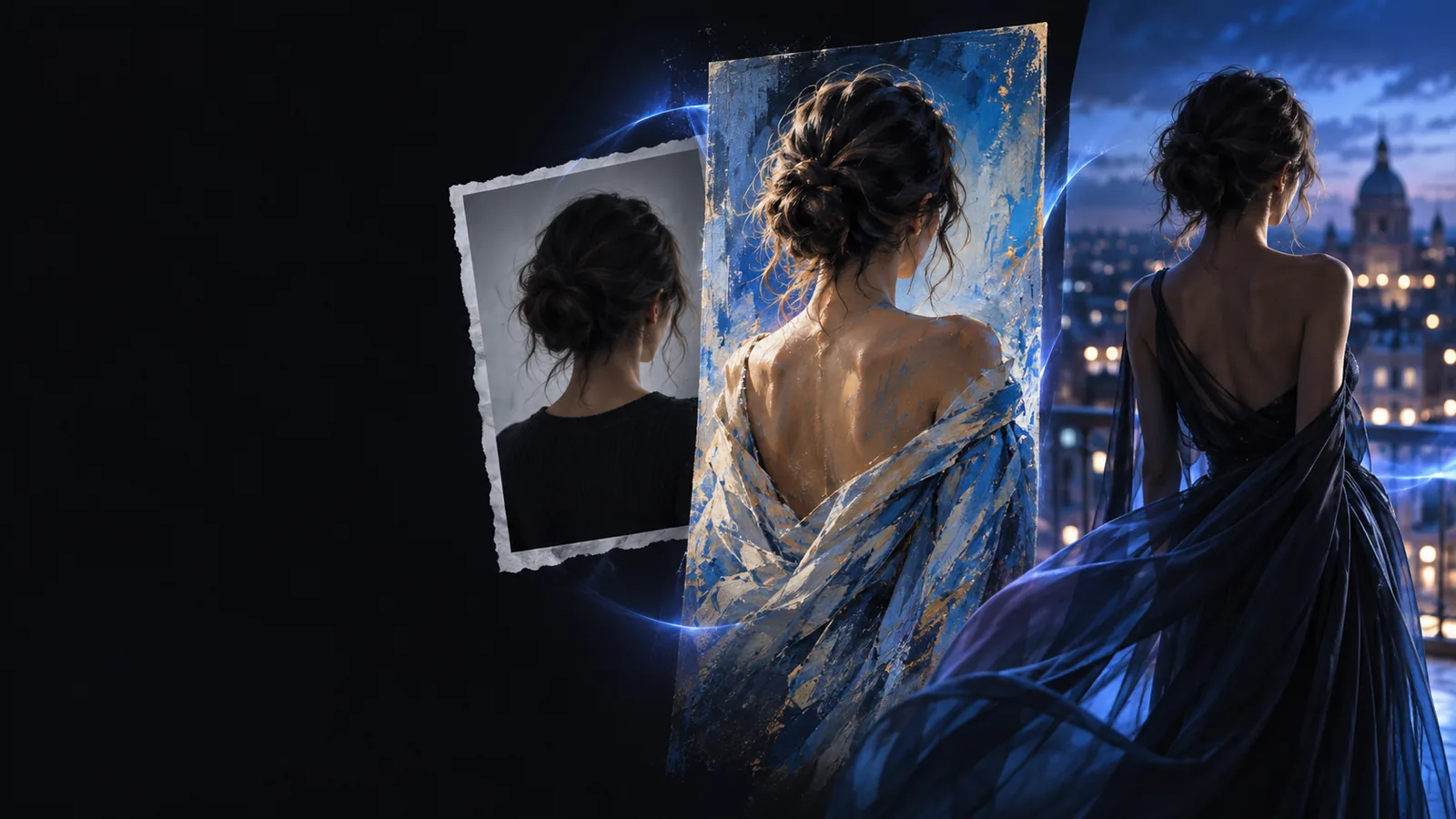
Reference-led creation

Create new looks with an ai image to image generator

An ai image to image generator starts with your picture, then uses your instructions to propose a different version. Keep the subject, change the setting, or explore a new visual style without rebuilding the scene from scratch.

Review the result before using it
Example image showing a reference-led creative transformation

How a reference can guide the result

The same starting image can support different goals. These workflows show what to preserve and what to ask the generator to change.

Portrait photographer

Start with a portrait whose pose works, but whose background feels distracting.

Request a quieter setting while checking that the face still looks like the subject. For a closer look at believable details, see image to image ai realistic.

image to image ai realistic
Product designer

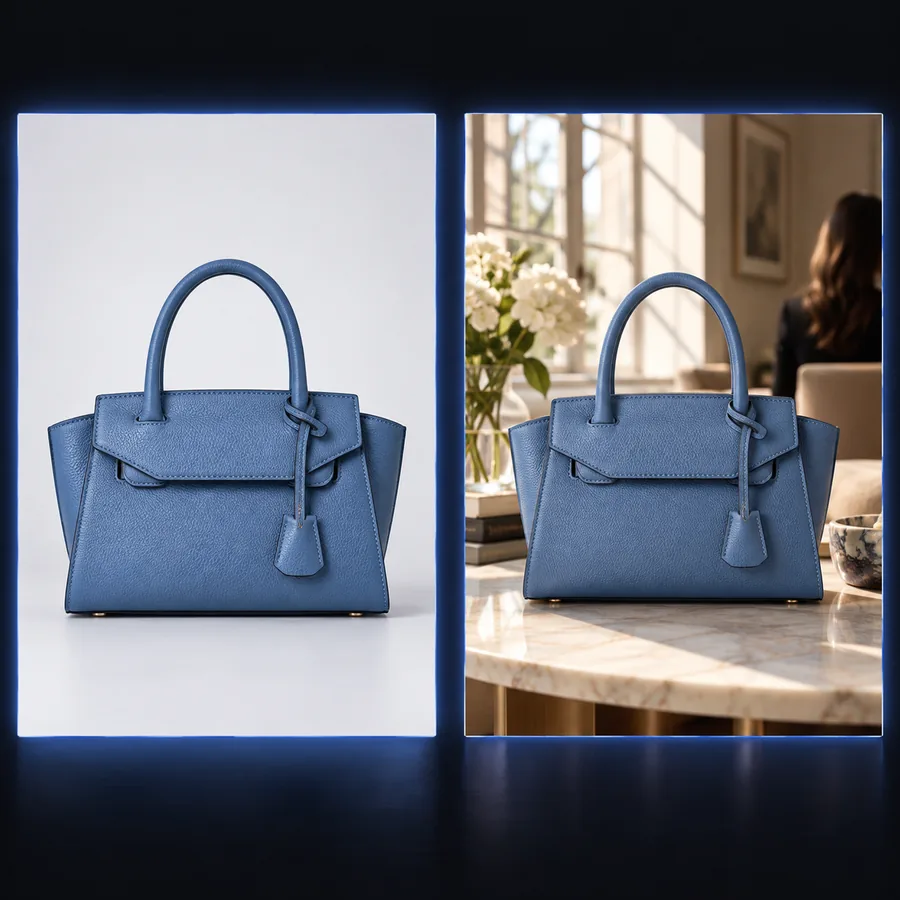
Use a clear product photo as the reference for several campaign settings.

Explore backdrop ideas, then inspect the product shape and markings. For targeted adjustments after generation, see image to image ai editor.

image to image ai editor

Illustrator

Bring an existing sketch into a more developed visual style.

Compare variations against the original composition rather than judging each output alone. See ai image generator from image for more reference-first ideas.

ai image generator from image

Content creator

Test a new atmosphere for a scene that already has the right framing.

Ask for a specific lighting or color shift, then choose the version that suits the story. See ai image to image examples free for other starting points.

ai image to image examples free

Step-by-step: from reference to variation

  1. 1

    Choose a clear source

    Start with an image where the subject and important shapes are easy to distinguish. A clean reference gives your instructions something recognizable to build on.

  2. 2

    Describe the intended change

    Name what must remain, such as pose or composition, and what may change, such as background, materials, or lighting. Avoid asking for several conflicting styles at once.

  3. 3

    Generate and inspect

    Compare the output with the source. Check identity, text, small objects, and edges; revise the instruction if the generator changed something you meant to keep.

Generation versus manual editing

An ai image to image generator is useful for exploring possibilities; direct editing is better when the outcome must match an exact specification.

Reference-led generation
Manual image editing

Starting point

Reference-led generation

An image plus a description of the desired variation

Manual image editing

An image plus deliberate selections and adjustments

Best suited to

Reference-led generation

Trying alternative styles or scenes

Manual image editing

Making precise, repeatable corrections

Composition

Reference-led generation

Can follow the reference but may reinterpret details

Manual image editing

Remains under direct control

Creative range

Reference-led generation

Can propose changes beyond the source image

Manual image editing

Depends on the changes the editor makes

Text and logos

Reference-led generation

May be altered or distorted

Manual image editing

Can be preserved or replaced exactly

Review needed

Reference-led generation

Check the whole result for unexpected changes

Manual image editing

Check the areas that were edited

Limits and edges

A generated variation is a proposal, not a guaranteed edit to the original file.

It cannot guarantee an exact likeness

Faces, proportions, and distinctive product features can drift, even when the prompt asks to preserve them.

Workaround

Compare against the source and reject versions that change essential details.

It cannot reliably reproduce fine text

Labels, signs, and logos may become unreadable or change spelling.

Workaround

Add or correct important text with a precise editor after choosing the image.

It cannot verify real-world accuracy

A convincing scene may still show incorrect materials, impossible reflections, or invented details.

Workaround

Check factual features against the original or another trusted reference.

Explore related workflows

Choose the route that fits the kind of control you need next.

See what changes and what stays

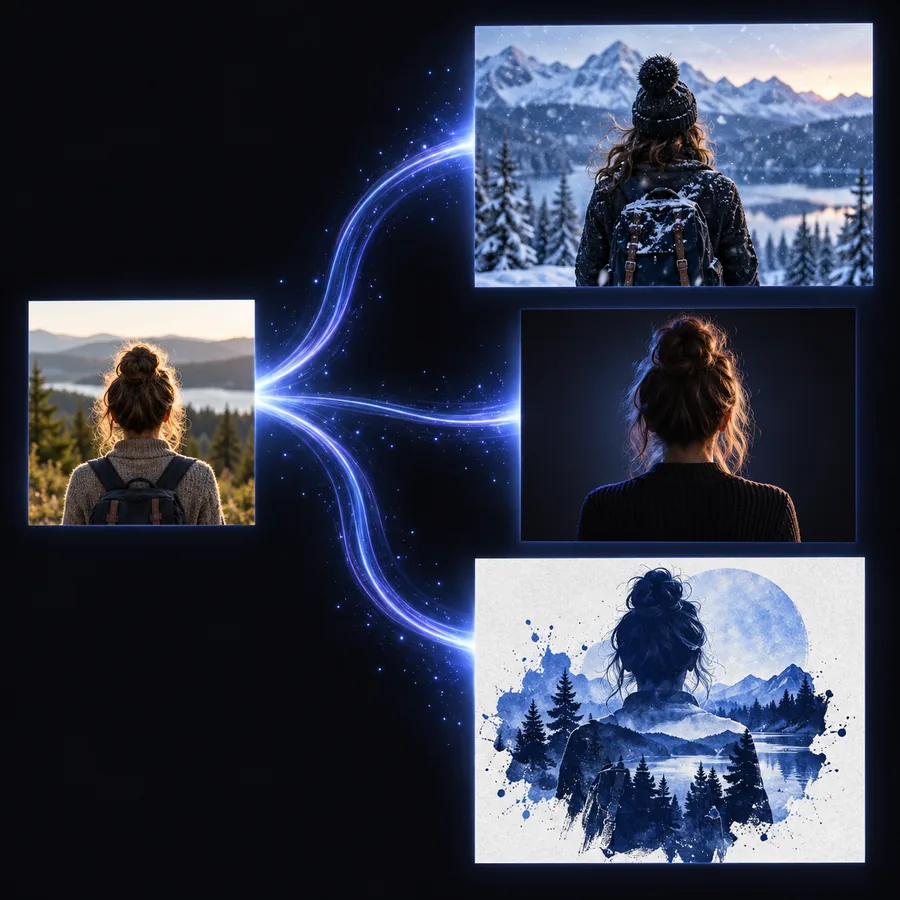
Visual example of a reference image transformed into a different look
01

Change the atmosphere

A reference can hold the main subject and framing while a prompt suggests different lighting, color, or surroundings. Judge the result by both its new mood and its fidelity to the parts you wanted to keep.

  • Describe the desired light and setting
  • Check the subject against the original
Visual example of a stylized image variation
02

Explore a stronger restyle

For a more dramatic direction, describe materials, palette, and visual style rather than saying only “make it different.” Stronger transformations can also change small features, so inspect them before sharing the output.

  • Name the style in concrete terms
  • Review details that matter to the final use

Make your next variation

Start with the image you want to keep

Bring a clear reference and a short instruction about what should change. Generate a variation, compare it with your source, and refine the direction if needed.

Generate image variation
  • Preserve what matters
  • Describe the change
  • Inspect the output

Generator FAQ

It starts with an existing image and a description of the result you want. The image provides visual context, while your words identify what to retain or change. A clear source and a specific instruction usually make the result easier to evaluate.

It may preserve much of the composition, but it can reinterpret framing, objects, or fine details. State which elements must remain in place and compare each result with the source. Use precise editing when an exact match is essential.

You can ask for a new background while keeping the subject, pose, and viewpoint. The output may still alter edges, hair, or other nearby details. Inspect the boundary around the subject before using the image.

Separate the instruction into what stays and what changes. For example, keep the person and camera angle, then specify a garden setting and soft daylight. Concrete visual directions are easier to assess than a broad request to improve the picture.

Review every output first, especially faces, hands, written text, branded elements, and product features. Generators can produce plausible-looking mistakes. Keep the original available so you can spot changes you did not request.

Start creating
Start creating