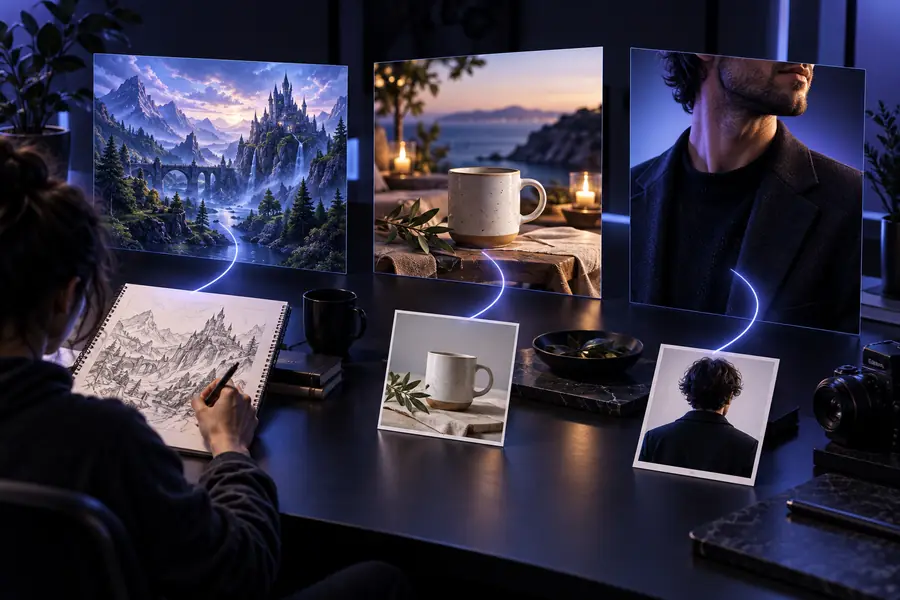
Ideas to try

Explore Ai Image To Image Examples Online

These ai image to image examples online show how one source image can support different visual goals. Start with a photo you can use, describe one clear change, and compare the result with the original before keeping it.

Review your result before sharing
Example of an image transformed into a new visual style

What this scenario must deliver

A useful online example names its starting image, the intended change, and the detail that must survive. Choose a scenario that matches the result you need.

Portrait photographer

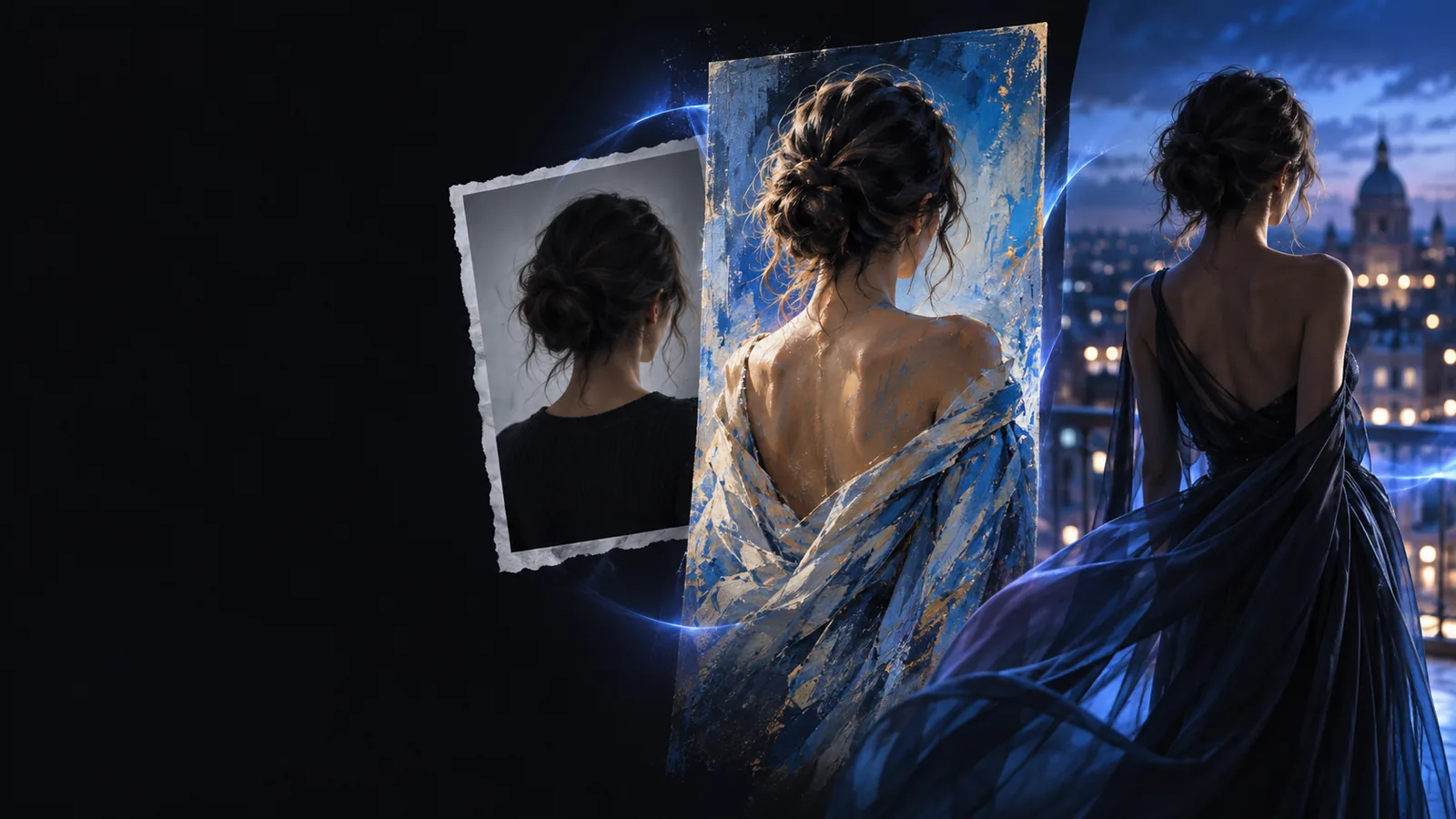
Try a different background while keeping a person's face, expression, and pose recognizable. Inspect hair edges and skin texture before using the new portrait.

For approaches focused on believable lighting and facial detail, see image to image ai realistic.

image to image ai realistic

Product maker

Place a photographed item in a lifestyle setting without changing its shape, label, or distinctive color. A convincing setting is not useful if the product itself becomes inaccurate.

For more control over specific visual changes, explore image to image ai editor.

image to image ai editor

Illustrator

Use a rough drawing to explore a finished look while preserving the composition. Compare versions for silhouette, focal point, and whether important objects remain where they belong.

For a broader set of starting-image ideas, browse ai image to image examples free.

ai image to image examples free

Content creator

Turn an existing image into a fresh visual for a post, then check that the output still communicates the same subject at a small display size.

To explore generating variations from an uploaded picture, read ai image generator from image.

ai image generator from image

Each item

Work through one change at a time. These online workflows separate the visual goal from the details you should check before using an output.

    1. Product

      Build a product lifestyle scene

      Start with a clear product photograph. Ask for a setting and lighting direction while explicitly preserving the item's proportions, materials, and visible markings. Inspect the result against the source rather than judging the attractive background alone; ai image to image can alter small product details unexpectedly.

      1. Choose a source where the product edges and markings are visible.
      2. Describe the new setting and name the product details to keep.
      3. Compare handles, seams, labels, and color with the original.
      Try a product scene
    2. Portrait

      Change a portrait's setting

      Use a portrait with an unobstructed face and describe the desired environment without asking for a different person. Online portrait examples work best when the face remains identifiable and the light on the subject fits the new background. Look closely at hair, hands, and glasses if present.

      1. Select a portrait with enough detail around the face and hair.
      2. Specify the background and lighting, then ask to retain identity and pose.
      3. Reject versions with changed features or mismatched edges.
      Try a portrait change
    3. Accessory

      Refine an accessory photo

      A plain source photo can become a cleaner presentation image without reinventing the object. Keep the accessory's outline and color fixed, and change only its surface or surroundings. With ai image to image, inspect reflections as well as contours: plausible highlights can still conceal a changed frame.

      1. Choose an image that shows the complete accessory.
      2. Request a simple surface, soft light, and a natural shadow.
      3. Compare the frame shape, lenses, and color against the source.
      Try an accessory scene

    Quality bar

    An online transformation is ready only when the intended change is visible and the details that matter still match the source.

    Choose this when

    The subject must remain accurate, as with a product listing or recognizable portrait.

    Choose the version with the most faithful shape, features, and markings, even if another version has more dramatic lighting.

    A polished ai image to image result can still misrepresent the original. Compare critical details side by side and discard versions that invent or remove them.

    Choose this when

    The goal is a concept, mood, or visual direction rather than a faithful record.

    Favor clear composition and a consistent style; allow more change where exact details are not essential.

    Concept examples can be useful without being literal, but the main subject should still read clearly. Check whether the online image works at its intended display size.

    Choose this when

    The output will be shared publicly.

    Review it at full size and confirm you have permission to use the source image.

    Small previews can hide distorted text, stray objects, and awkward edges. Avoid uploading private photos or sensitive information unless you are comfortable with the tool's handling of them.
    Common rework

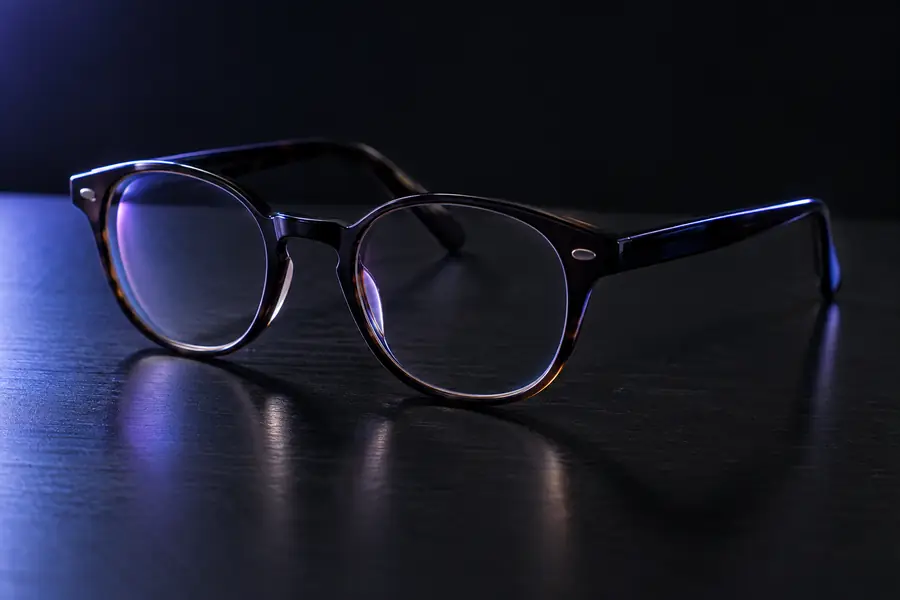
    Drag between the original glasses photo and its refined presentation to inspect what changed. The better version improves the scene without replacing the object.

    Original photograph of glasses before the scene change Glasses presented in a refined scene after the change Original Refined

    If the frame shape, lens tint, or proportions drift, retry with a narrower instruction that changes only the background and light.

    OriginalRefined

    Try your own visual example

    Choose an image you have permission to use and describe one change. Name the details to preserve, generate a version, and compare it with the source before using it. Ai image to image examples online are most helpful when you can tell exactly what improved—and what needs another pass.

    Transform an image
    • Start with a clear source image
    • Change one visual goal at a time
    • Check important details against the original

    Scenario FAQ

    A useful example shows a clear starting subject and a specific visual change, such as a new setting or style. It also makes it possible to judge whether important features survived. Looking only at an attractive final image can hide unwanted changes.

    Yes, a photo can serve as the starting image for a portrait, product, or accessory transformation. Use an image you have permission to upload, and avoid including private details you do not want to share. Results will vary with the source photo and your instructions.

    Name the change first, then state what must remain the same. For example, request soft window light and a white tabletop while keeping a product's shape, color, and label intact. A focused instruction makes the output easier to evaluate.

    Image transformations can reinterpret parts of a source while applying the requested change. Fine text, facial features, hands, and product edges deserve a close check. If a vital detail drifts, narrow the request and compare the next version with the original.

    Start creating
    Start creating