Usage may reset
A tool can be free to try yet restrict attempts within a session or period. If a limit appears, save your preferred result and prompt before leaving. Ai Image To Image does not claim that every destination offers unlimited output.
Repeatable image edits
Start with an existing picture, describe one change, and use each result to guide the next attempt. Ai Image To Image makes it easy to explore the workflow, but an unlimited search term is not a guarantee that every tool allows endless generations.
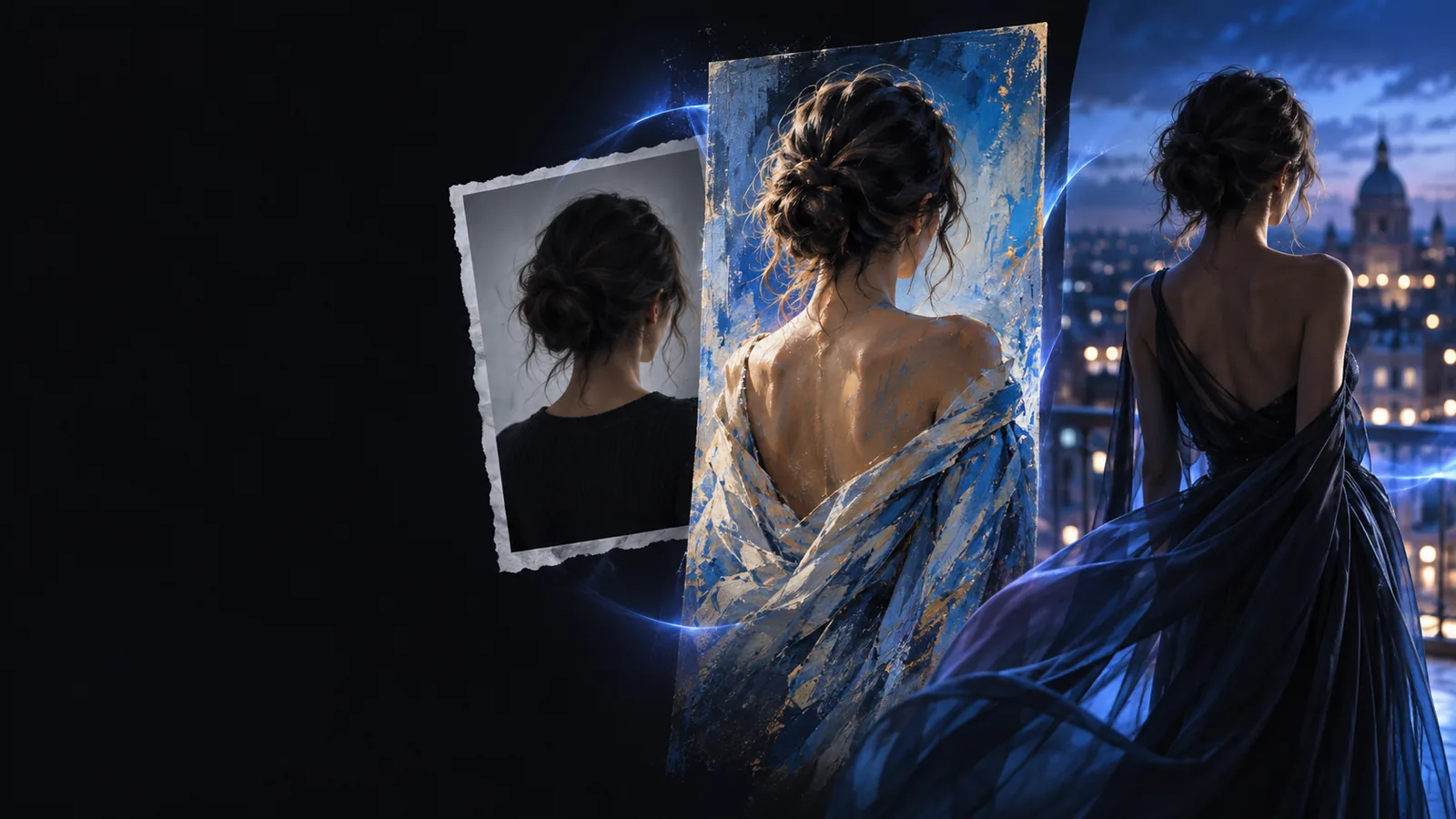
The value of image-to-image editing is that you can refine a source instead of rebuilding the idea from scratch. Gather these inputs before beginning:
Without every one of these the route does not run.
A source image you have permission to use, with the main subject clearly visible.
A short instruction naming both the change you want and the detail that must stay.
Skip any of these and the route still works — they only make it faster.
An original copy of the image so you can compare results or restart.
A second prompt describing a smaller adjustment if the first result changes too much.
Choose the route that matches your question before uploading. These pages cover general free access, account-free use, and editing in a browser.
Upload, instruction, and revision work together. The table shows why saving a useful result for another pass can be more productive than repeatedly starting from the original.
Starting image
Single-pass edit
Use the original once.
Iterative image-to-image edit
Keep the original and select a promising result for the next pass.
Instruction
Single-pass edit
Describe every desired change at once.
Iterative image-to-image edit
Give each pass one primary change.
Subject continuity
Single-pass edit
Judge whether the first result keeps the subject.
Iterative image-to-image edit
Restate essential details when revising.
Style changes
Single-pass edit
Try one broad style request.
Iterative image-to-image edit
Adjust lighting, color, or texture separately.
Comparison
Single-pass edit
Compare the result with the original.
Iterative image-to-image edit
Compare each new result with the best saved version.
When to stop
Single-pass edit
Accept or restart after one result.
Iterative image-to-image edit
Stop when another pass no longer improves the image.
Refine the image, not the claim
First, upload a source with a recognizable subject. Write a prompt that separates what must stay from what should change: for example, keep the pose and framing but replace the background. Review the first output against your original rather than judging it on style alone.
Next, save the strongest result and request one narrower change. If the subject drifts, return to the original and make the instruction more specific. This approach works whether a tool permits many attempts or imposes a session limit; it does not depend on an unlimited generation promise.
The phrase free unlimited can refer to access, attempts, or a promotional description. Confirm the actual conditions in the tool you open before planning a long editing session.
A tool can be free to try yet restrict attempts within a session or period. If a limit appears, save your preferred result and prompt before leaving. Ai Image To Image does not claim that every destination offers unlimited output.
Repeated transformations may alter faces, text, hands, or product details you meant to preserve. Compare against the original after each pass. Use a simpler instruction when a broad request changes too many parts of the image.
Use images you are allowed to edit, and avoid uploading sensitive photos unless you understand the destination’s handling of them. Free access does not tell you how long an uploaded file is retained or who can view it.
Try an image-to-image edit, compare it with your source, and revise only what needs improvement. Check the available limits in the tool you open rather than assuming unlimited generations.
Transform my imageFree access and unlimited generations are separate claims. A tool may allow an initial edit without payment while still applying session, file, or usage limits. Check its current terms before relying on repeated edits.
You can use a previous result as the starting point for another edit when the tool supports uploading it again. Save the original too: repeated transformations can gradually change details you wanted to preserve.
Save your best result and the prompt that produced it. Check whether the limit resets or whether another permitted workflow fits your needs; do not assume that a page described as unlimited overrides the tool’s stated restrictions.
Each transformation may reinterpret features of the input, especially after a broad style change. Return to the original or an earlier result, then explicitly name the pose, clothing, or other details that should remain.
Begin with a clear source image and ask for one main change per pass. Compare each output with your saved original, keep the strongest version, and make the next instruction narrower rather than repeating the same prompt.