Profile-photo creator
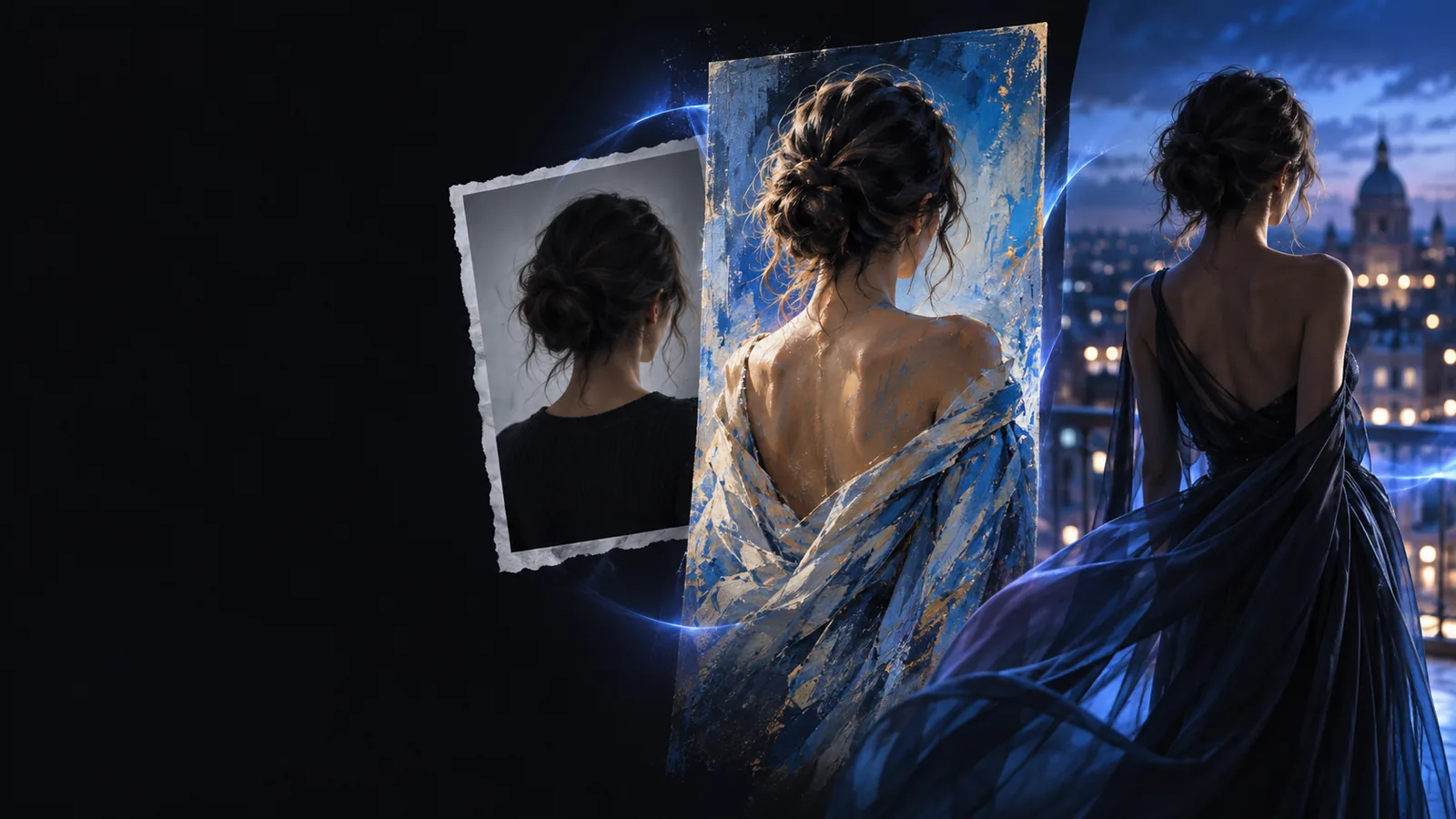
Start with a recognizable portrait and describe a new illustrated look.
See how to convert image to ai avatar when the person's likeness matters more than an entirely new character.
convert image to ai avatarInput basics
It means supplying an existing image and using text to describe the version you want. The image provides a visual starting point; the prompt directs the changes. A prompt without an uploaded image is text-to-image generation instead.
These related workflows clarify whether you need a source image, a written instruction, or more than one reference.
Start with a recognizable portrait and describe a new illustrated look.
See how to convert image to ai avatar when the person's likeness matters more than an entirely new character.
convert image to ai avatarUse a sketch as a starting composition and describe its lighting and materials.
An ai image generator from image can develop the sketch while using its shapes as visual guidance.
ai image generator from imageExplore another version of a product photograph without copying every pixel.
The guide to how can I generate an image similar to another image? explains how to request resemblance without expecting an exact duplicate.
how can I generate an image similar to another image?Bring a subject from one photo into a setting shown in another.
The guide to how to combine 2 images in AI? covers a two-reference task that a single-image prompt cannot fully specify.
how to combine 2 images in AI?The key distinction is whether the tool receives pixels to work from or must invent the entire scene from words.
Starting input
Existing image plus text
An uploaded image and a written instruction
Text prompt alone
A written instruction without a source image
Visual structure
Existing image plus text
Can use the source composition as guidance
Text prompt alone
Must construct a composition from the prompt
Subject identity
Existing image plus text
May retain recognizable features, but can still change them
Text prompt alone
Has no original subject to preserve
Best instruction
Existing image plus text
Name what should change and what should stay
Text prompt alone
Describe the whole scene and subject
Typical use
Existing image plus text
Restyle or reinterpret a supplied picture
Text prompt alone
Create a scene without a visual reference
Main review task
Existing image plus text
Compare the output against the source
Text prompt alone
Compare the output against the written brief
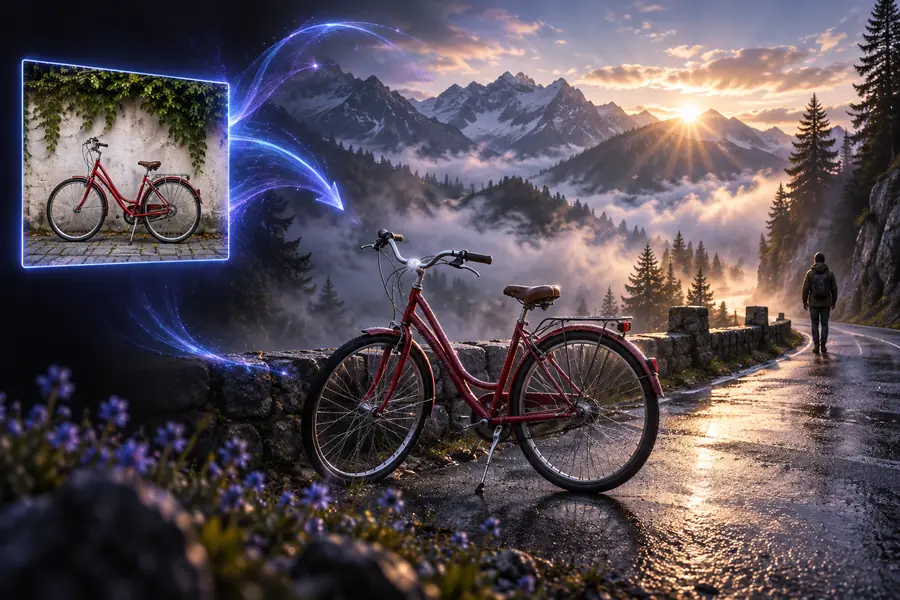
Move the divider to compare two treatments of a shared scene. Even when a prompt steers the look, inspect small source details rather than assuming they survive.
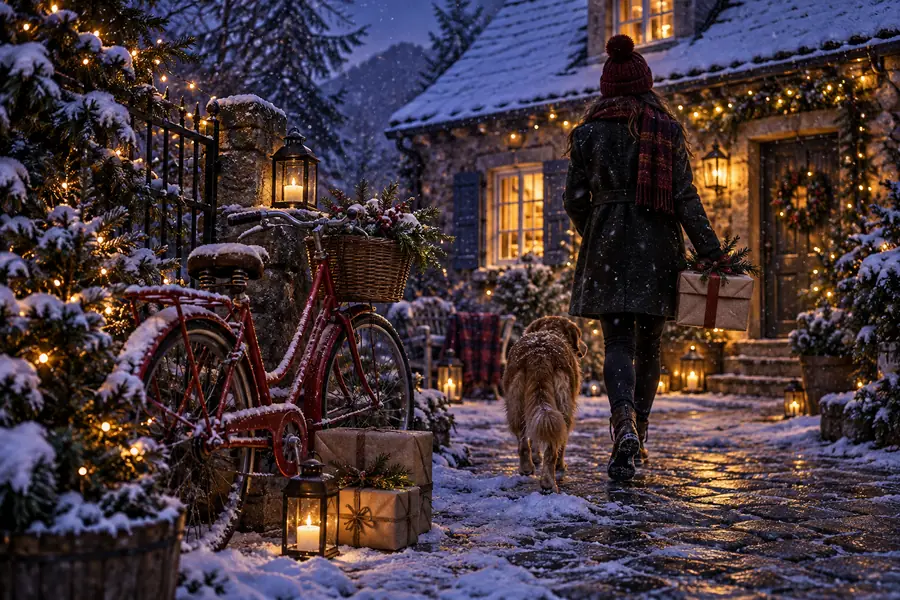
 Source image
Changed image
Source image
Changed image
Watch edges, background objects, lettering, and faces as you slide. A visually convincing result is not proof that every source detail was preserved.
Source imageChanged imageAi Image To Image can help you explore a prompt-guided change, but the output still needs human review.
A request to keep a face, logo, or small object unchanged may still produce altered details.
Workaround
Compare those areas with the source and use a dedicated editor when exact pixels matter.
If the source hides an object's back or a person's hand, a prompt does not reveal what was actually there.
Workaround
Treat newly visible content as an interpretation, not a reconstruction.
Labels and signs may be distorted even when the overall image looks coherent.
Workaround
Add critical wording separately in a text editor after reviewing the image.
Before using an output, compare its subject, framing, important objects, and any visible writing with the original. If a detail matters, name it explicitly in your next prompt and inspect the new result again. Start with a clear source image and one specific change so it is easier to tell what worked.
Try image editingNo. Without an existing image as input, the workflow is text-to-image generation. Image-to-image from text uses both a source picture and written directions for changing it.
You can describe a background change and ask it to keep the subject, but that instruction does not guarantee a pixel-perfect match. Check the subject's face, outline, and clothing in the result.
Usually it is more useful to describe the intended change and identify elements that must remain. The uploaded image already supplies visual context, although the tool may interpret parts of it differently.
The system generates a new interpretation rather than making a strictly mechanical edit. Broad prompts give it more room to change composition, color, and details, so try a narrower instruction and compare the next output with the original.